 The Briny Pan
Make-Ahead Spanish Tortilla: Chill and Reheat Safely
- Can you make Spanish tortilla ahead of time?
- Which tortilla recipe should you start with?
- What needs preparing before you start cooking?
- How do you confirm the tortilla is fully cooked?
- Should the tortilla cool on the counter before refrigeration?
- What does a day-before preparation plan look like?
- How long can the refrigerated tortilla stay in the fridge?
- How do you reheat it without relying on a guessed time?
- Sources
Can you make Spanish tortilla ahead of time?
Yes. For a cook-chill-reheat plan, fully cook a potato-and-egg Spanish tortilla to 160°F, refrigerate promptly in shallow containers within 2 hours, or 1 hour above 90°F, and keep it at 40°F or below. Use refrigerated cooked egg dishes within 3 to 4 days and reheat to 165°F. Check egg and other allergens, prevent cross-contact, and discard food with an uncertain handling history. Medical dietary questions need qualified advice.
These limits come from FDA egg-safety guidance. This guide follows that make-ahead route for a fully cooked tortilla; it is not a method for storing a runny-centered version or a complete recipe.
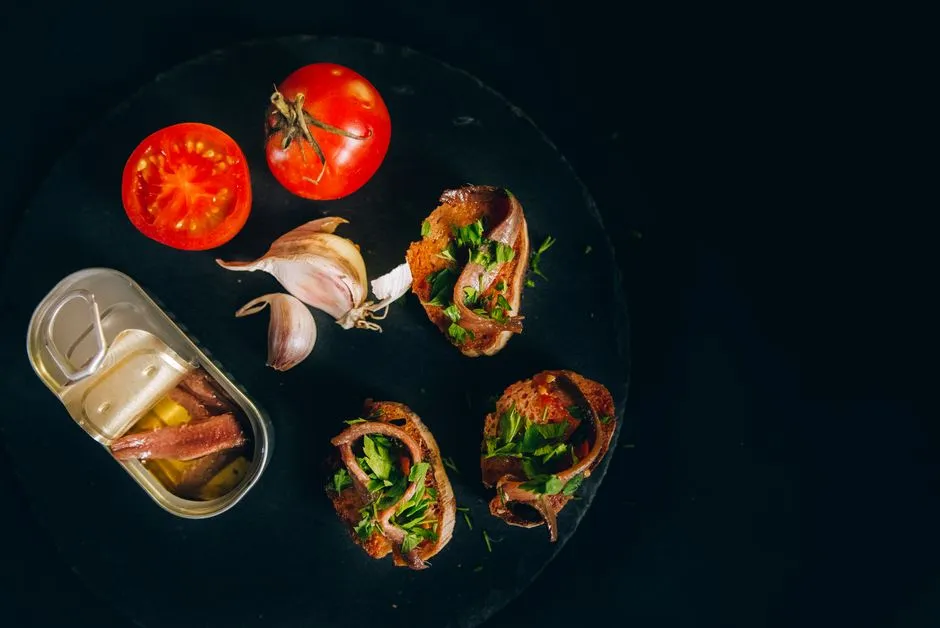
A tortilla can be the prepared part of a tapas meal while the bread and tomato are assembled closer to serving. The useful advance work is a finished, safely chilled dish with a label and a reheating plan, not an egg mixture left waiting while other cooking takes over.
Which tortilla recipe should you start with?
Choose a complete potato-and-egg recipe whose yield, pan requirements and method you understand. Check that its equipment suits your kitchen before beginning. Adding meat or other fillings changes the recipe and may introduce different cooking requirements; those variations are outside this plan.
For a clearly specified example, Mary Cadogan's Spanish omelette recipe at Good Food serves four and lists 500g new potatoes, one onion, 150ml extra-virgin olive oil, three tablespoons chopped flat-leaf parsley and six eggs. Those are that recipe's quantities, not a new recipe developed or tested by this publication.
The oil is used for cooking the potatoes and onion, then strained, with a little reused for the egg stage. Do not treat the entire listed oil amount as a measured quantity retained in the finished tortilla. Follow the source for the full method and seasoning.
Its turning method involves hot cookware and oil. Use equipment appropriate to the recipe and follow its manufacturer instructions. Do not attempt an inversion with cookware you cannot control securely; get assistance from a competent cook or choose a complete alternative recipe designed for your equipment. Do not improvise putting a pan with unsuitable handles under a grill or in an oven.
What needs preparing before you start cooking?
Make space in the refrigerator before the tortilla is finished. Have clean, shallow food-storage containers ready, along with labels, a food thermometer and a refrigerator thermometer. Keep the eventual serving plate separate from items that will contact raw egg.
Wash hands with soap and water for at least 20 seconds, rinse produce under running water, and clean utensils and surfaces after raw-egg contact. Do not wash shell eggs. FoodSafety.gov's four food-safety steps explain this separation of raw ingredients from food ready to eat.
Egg is an inherent allergen in this dish. Check every packaged ingredient and accompaniment for the diners' allergens rather than assuming a short recipe is suitable for everyone. Bread served alongside may introduce wheat or other allergens; flavored oils and sauces need checking too.
Use clean utensils and separate serving arrangements to prevent allergen cross-contact. Do not label a dish allergy-safe simply because one optional ingredient was omitted. The FDA's food-allergy guidance emphasizes reading labels and avoiding the relevant allergen. Ask diners about their established requirements; medical questions belong with qualified professionals.
How do you confirm the tortilla is fully cooked?
For this plain egg-dish plan, the center must reach 160°F (71°C), measured with a suitable food thermometer. FoodSafety.gov's temperature chart lists that temperature for egg dishes and 165°F (74°C) for leftovers.
Use the thermometer according to its instructions, checking the thickest central part without measuring the hot pan. Clean the probe appropriately between uses. A brown underside or a firm edge does not verify the center's temperature.
Recipe timings help organize cooking, but pan size, thickness and equipment affect the result. Do not substitute a universal number of minutes for the temperature check. Nor should you partly cook the tortilla with the intention of completing it after storage; finish the cooking step before chilling.
Keep hands protected from hot handles and steam. Transfer food onto a stable, clean surface and keep raw-egg bowls and utensils away from the cooked tortilla. There is no need to bring the hot pan to the table for this make-ahead plan.
Should the tortilla cool on the counter before refrigeration?
Do not wait for it to become room temperature. Portion it into clean, shallow containers and refrigerate promptly. Avoid packing multiple thick portions into one deep, tightly crowded container.
The FDA's safe-food-handling guidance calls for refrigerating perishables within 2 hours of cooking, or within 1 hour when the temperature is above 90°F, and dividing large amounts of leftovers into shallow containers for faster cooling. These are maximum limits, not suggested cooling periods.
Check the refrigerator with an appliance thermometer; it should remain at 40°F or below. A cold-feeling shelf is not a measurement. Protect the cooked food from raw-food drips and contamination.
Label each container with the cooking date and time, its contents, and relevant allergens. Count storage from cooking, not from the day you first open the container or remember to add a label. Refrigeration does not make an unsafe prior handling history acceptable.
What does a day-before preparation plan look like?
Use milestones instead of promising that every tortilla will be cooked and chilled by a particular clock time.
| Stage | Completion check | Record or action |
|---|---|---|
| Before cooking | Recipe, equipment and diners' requirements checked | Clear refrigerator space; prepare containers |
| End of cooking | Center reaches the egg-dish temperature | Record cooking date and time |
| Prompt storage | Portions placed in shallow containers and refrigerated | Label contents and allergens |
| Before serving | Storage history remains acceptable | Take out only the portions needed |
| Reheating | Portions reach the leftover temperature throughout | Serve promptly using clean utensils |
Here is an original planning example, not a tested serving recommendation. If your chosen recipe makes four main-dish servings and you plan two meals for two people, allocate two servings to each meal: 2 + 2 = 4. Store the meal groups separately rather than reheating all four servings on the first occasion.
For a tapas spread, cutting the same tortilla into more pieces changes the piece count, not the recipe's total amount of food. Decide portions from the complete menu and diners' needs; do not claim that eight small pieces automatically feed eight people.
Prepare pan con tomate separately and assemble it near service for texture. Keep its cut tomato refrigerated until needed. That pairing is menu planning, not a reason to relax either dish's handling requirements.
How long can the refrigerated tortilla stay in the fridge?
The FDA gives cooked egg dishes a refrigerated storage period of 3 to 4 days when properly handled. Plan the meal within that period; do not extend it because the surface still looks normal.
The FoodSafety.gov cold-storage chart distinguishes different egg foods, including hard-cooked eggs and egg casseroles. Do not borrow the longer hard-cooked-egg storage time for a potato tortilla.
A short written label makes the decision easier: "potato-and-egg tortilla; cooked Monday evening; contains egg; second-meal portion." Add your planned serving day and the relevant storage limit. The label records a plan; it does not prove that the refrigerator stayed cold.
If cooling, refrigeration or time out of cold storage is uncertain, discard the food. Do not taste a questionable portion to decide whether it is safe. For unexpected refrigerator failure, use the applicable official power-outage guidance rather than this routine storage schedule.
How do you reheat it without relying on a guessed time?
Reheat the portion you need to 165°F (74°C) throughout and verify with a food thermometer. The exact time depends on portion thickness, starting temperature and the equipment. This article does not supply an untested oven or microwave schedule.
Use a suitable reheating method from the recipe or appliance guidance and compatible cookware. For microwave reheating, the FDA advises covering food, rotating for even heating and allowing standing time before checking temperature. Follow the appliance's instructions and handle steam and hot containers carefully. Check more than one part of the portion rather than accepting a hot edge.
Serve promptly after reheating. Keep unreheated portions refrigerated, and avoid repeated warming of the whole batch to serve one person. If the time-and-temperature history has become unacceptable or uncertain, reheating is not a recovery plan.
Finish by noting whether the portioning matched the meal. Adjust the next batch's plan from that observation, while keeping recipe quantities and safety requirements clear. More coastal tapas and simple mains can complete the menu; this dish is ready ahead only when cooking, chilling, labeling and reheating have all been planned.
Sources
- FDA: Egg safety.
- Good Food: Mary Cadogan's Spanish omelette recipe.
- FoodSafety.gov: Four steps to food safety.
- FDA: Food allergies.
- FoodSafety.gov: Safe minimum internal temperatures.
- FDA: Safe food handling.
- FoodSafety.gov: Cold food storage chart.
Frequently asked questions
Can I make Spanish tortilla the day before a meal?
Yes, using a fully cooked, promptly chilled preparation with a verified handling history. Cook the egg dish to 160°F, refrigerate in shallow containers within 2 hours or 1 hour above 90°F, and keep it at 40°F or below. This guide's serving plan reheats it to 165°F. Check allergens and prevent cross-contact throughout.
Should I leave the tortilla out until it is completely cold?
No. Divide it into shallow containers and refrigerate promptly rather than waiting for room temperature. Perishable food should be refrigerated within 2 hours of cooking, or within 1 hour above 90°F. Those are limits, not cooling targets. If the storage or cooling history is uncertain, discard it rather than relying on appearance or reheating.
How long does cooked Spanish tortilla keep in the refrigerator?
Use properly handled cooked egg dishes within 3 to 4 days, kept at 40°F or below. Label the cooking date and time and plan serving within that period. Do not apply the longer storage allowance for hard-cooked eggs to a potato-and-egg tortilla. An uncertain temperature history requires discarding the food, regardless of its age.
How many minutes should I microwave a refrigerated tortilla slice?
There is no verified universal time for every slice, appliance and starting temperature. Use suitable cookware and the appliance's reheating instructions, cover and rotate as appropriate, allow required standing time, and check with a food thermometer. The portion must reach 165°F throughout. Protect hands from hot containers and steam, and serve promptly.
Is a potato-and-egg tortilla suitable for someone with an egg allergy?
An ordinary egg-based tortilla contains egg and is not suitable for a person who must avoid it. Check every ingredient and accompaniment for other relevant allergens and prevent cross-contact through utensils and serving arrangements. Do not assume removing an optional ingredient makes the dish safe. Follow the diner's established plan and qualified medical advice.