 The Briny Pan
Garlic Shrimp Skillet for Two, Spanish-Style
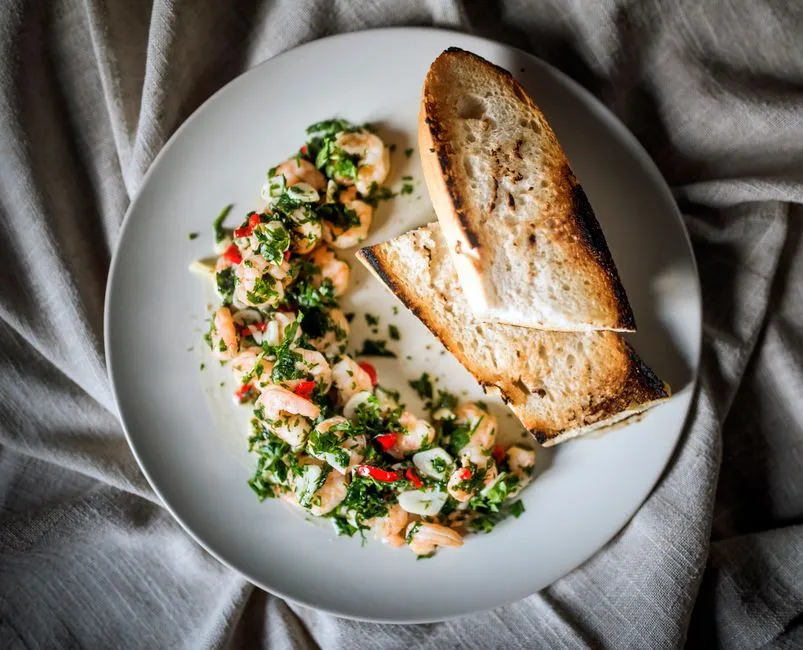
Cook the shrimp briefly in fragrant oil and serve at once
Spanish-style garlic shrimp for two uses 225 g peeled shrimp, 1/4 cup olive oil, four sliced garlic cloves, mild or hot chilli, salt, and parsley. Dry and season the shrimp, warm the garlic gently until fragrant, then cook the shrimp in one layer only until their flesh is opaque and firm. Pull the pan from the heat promptly; carryover cooking has a tiny clipboard and no sympathy.
Keep raw shrimp refrigerated, prevent cross-contamination, and follow current official local food-safety guidance. Shellfish can cause severe allergic reactions and may be unsuitable for some diners.
Ingredients
- 225 g raw shrimp, peeled and deveined, thawed safely if frozen
- 1/4 cup (60 ml) olive oil
- 4 medium garlic cloves, thinly sliced
- 1/4 teaspoon crushed red pepper, or less to taste
- 1/4 teaspoon fine salt, divided
- 1 tablespoon finely chopped flat-leaf parsley
- 1 teaspoon (5 ml) lemon juice, optional
- 4 slices bread for serving, optional
This makes two main-dish portions or several small shared servings. Check every ingredient and bread label for allergens and cross-contact.
Handle raw shrimp separately
Thaw frozen shrimp in the refrigerator or by another method in current official guidance, never through a long stay on the counter. Keep it cold until cooking.
Use a dedicated clean plate and utensils for the raw shrimp. Wash hands after handling it and clean any board, knife, tap, or container it touched before preparing ready-to-eat parsley, lemon, or bread.
Pat the shrimp dry with disposable towel and discard the towel immediately. Moisture can cool the pan and cause oil to spit. Season with half the salt.
Explore simple mains for more compact skillet planning.
Warm garlic without scorching it
Place the oil and sliced garlic in a 10-inch skillet before turning the heat to medium-low. Warm gently, stirring, until the garlic is fragrant and beginning to turn pale gold at the edges. Add the crushed red pepper.
Do not wait for the garlic to become dark brown. Thin slices continue coloring in hot oil, and burnt garlic tastes harsh. If it darkens too quickly, remove the pan from the heat and let it cool slightly before proceeding.
Oil can cause serious burns. Keep the pan handle turned safely inward, add no water to hot oil, and use a splatter screen if appropriate.
Cook in a single layer
Raise the heat to medium and arrange the shrimp in one layer with tongs. Cook until the underside has changed from translucent grey to opaque, then turn each piece. Continue only until the second side is opaque and the thickest parts feel firm rather than soft or glassy.
Exact timing varies with shrimp size, starting temperature, pan material, and burner. Doneness cues decide. If the pan is too small to hold one uncrowded layer, cook in batches and keep the oil temperature controlled.
When uncertain about safe doneness, use current official guidance or a suitable food thermometer according to its instructions. Do not taste partly cooked shrimp.
Finish away from the burner
Remove the skillet from the heat as soon as the shrimp are cooked. Stir in parsley, optional lemon juice, and the remaining salt. Taste the oil with bread or a clean spoon before adding more seasoning.
Acid can brighten the dish but is not a safety step and does not make undercooked shrimp safe. The shrimp must be cooked before lemon is added.
Serve the hot oil carefully
Divide shrimp and garlic oil between shallow heat-safe bowls, or place the skillet on a stable heatproof surface with a clear warning that it remains hot. Keep children and loose sleeves away from the pan and do not carry it over seated guests.
Serve with pan con tomate or plain bread. The measured 60 ml oil is part cooking medium and part sauce; it yields 30 ml per main portion if divided evenly.
Store leftovers promptly
This dish is best served immediately. Transfer leftovers to a shallow clean covered container and refrigerate promptly. Follow current official local guidance for storage and reheating, and discard food with an uncertain time or temperature history.
Reheat only the portion needed until safely hot, recognizing that shrimp can become firm when cooked again. Cold garlic oil may thicken in the refrigerator; that texture change does not establish safety or spoilage. Trust verified handling and storage history, not optimism with parsley on top.
Frequently asked questions
How do I know when garlic shrimp are cooked?
The flesh should change from translucent grey to opaque and feel firm at the thickest part, with no soft glassy center. Turn the shrimp so both sides cook, and rely on doneness rather than one universal time because size, pan, burner, and starting temperature vary. When uncertain, follow current official guidance and use a suitable food thermometer correctly.
Why did my garlic turn bitter?
Thin garlic slices probably became too dark in the hot oil. Begin with oil and garlic in a cool pan, warm them gently, and move on when the edges are only pale gold. Remove the pan from heat if color advances quickly. Garlic continues cooking in retained heat, so waiting for deep brown before adding shrimp usually goes too far.
Can I use frozen shrimp for gambas al ajillo?
Yes, when the shrimp are safely thawed according to current official guidance, kept refrigerated, and patted dry before cooking. Do not leave them thawing on the counter. Keep raw seafood and its utensils away from parsley, lemon, bread, and cooked food, then wash hands and clean affected surfaces before handling ready-to-eat ingredients.
Does lemon juice make undercooked shrimp safe?
No. Lemon changes flavor and can alter the surface appearance of seafood, but it is not a substitute for cooking and does not make undercooked shrimp safe. Cook until the thickest parts are opaque and firm, using current official doneness guidance when needed. Add lemon only after the shrimp are cooked and the pan has come off the heat.